Every patient deserves specialist care in the comfort of their own home.

Rebekah and Caitlin are dedicated Chartered Physiotherapists with a shared passion for neurological rehabilitation. With extensive NHS and community experience, they bring clinical expertise directly to you — removing the barriers that so often limit access to high-quality care.

Every treatment programme begins with a thorough assessment and is built entirely around the individual. Whether you are living with Parkinson’s, recovering from a stroke, or managing a complex neurological condition, we are here to support you every step of the way.
  • Fatigue and Weakness After GBS: A Long-Term Rehabilitation Perspective

    Many GBS survivors experience persistent fatigue and weakness long after the acute phase has resolved. Studies suggest that between 20% and 67% [...]

  • Recovering From Guillain-Barré Syndrome: The Role of Physiotherapy

    Guillain-Barré Syndrome (GBS) is an acute, immune-mediated polyneuropathy that causes rapidly progressive limb weakness, areflexia, and in severe cases respiratory failure. In [...]

  • Categories: Spinal Cord Injury

    Respiratory Physiotherapy in Spinal Cord Injury: Why Breathing Matters

    Higher level spinal cord injuries — particularly those at cervical and upper thoracic levels — can significantly affect breathing and respiratory function. [...]

  • Categories: Spinal Cord Injury

    Physiotherapy After Spinal Cord Injury: Maximising Function and Independence

    Spinal cord injury (SCI) is one of the most life-altering injuries a person can experience. In the UK, approximately 2,500 people sustain [...]

  • Categories: Brain Injury

    Spasticity After Brain Injury: How Physiotherapy Helps

    Spasticity is a common consequence of acquired brain injury, affecting up to 38% of survivors. It is characterised by a velocity-dependent increase [...]

  • Categories: Brain Injury

    Rehabilitation After Acquired Brain Injury: What Does Recovery Look Like?

    Acquired brain injury (ABI) encompasses any brain injury occurring after birth, including stroke, traumatic brain injury, hypoxic brain injury, and injury caused [...]

  • Categories: Multiple Sclerosis

    Balance and Fall Prevention in Multiple Sclerosis: An Evidence-Based Approach

    Falls are a major concern for people living with multiple sclerosis. Studies report that between 50% and 63% of people with [...]
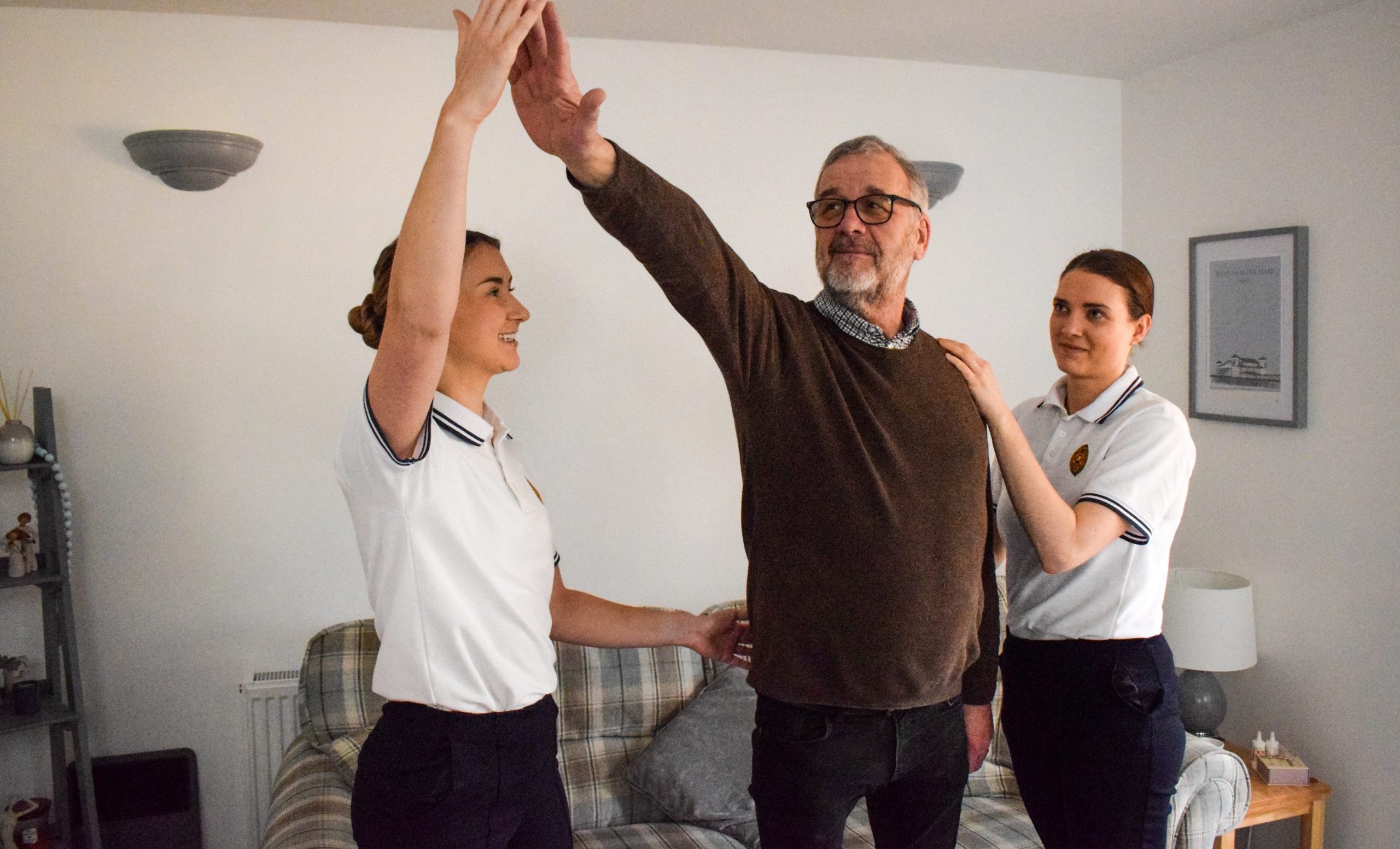
  • Categories: Stroke

    Upper Limb Recovery After Stroke: What to Expect From Physiotherapy

    Stroke is one of the leading causes of long-term disability in the UK, with upper limb impairment affecting approximately 80% of [...]
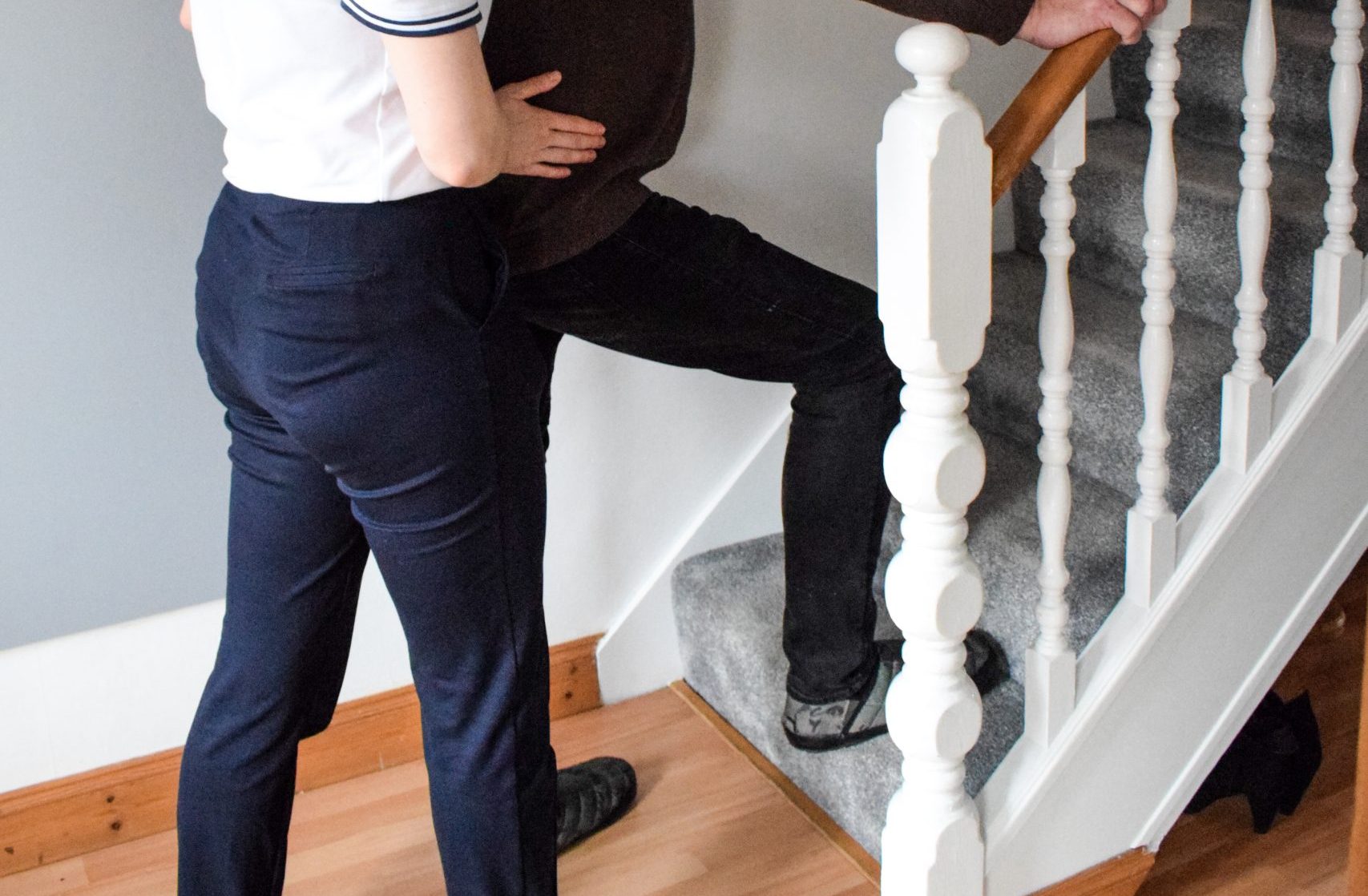
  • Categories: Stroke

    Balance and Walking After Stroke: A Guide to Gait Retraining

    Difficulty walking is one of the most common consequences of stroke, with up to 80% of survivors experiencing gait impairment in [...]

  • Categories: Parkinson's

    LSVT BIG: How Amplitude Training Transforms Movement in Parkinson’s

    Parkinson's disease is characterised by a progressive reduction in the amplitude of movement — steps become smaller, arm swing diminishes, handwriting shrinks, [...]