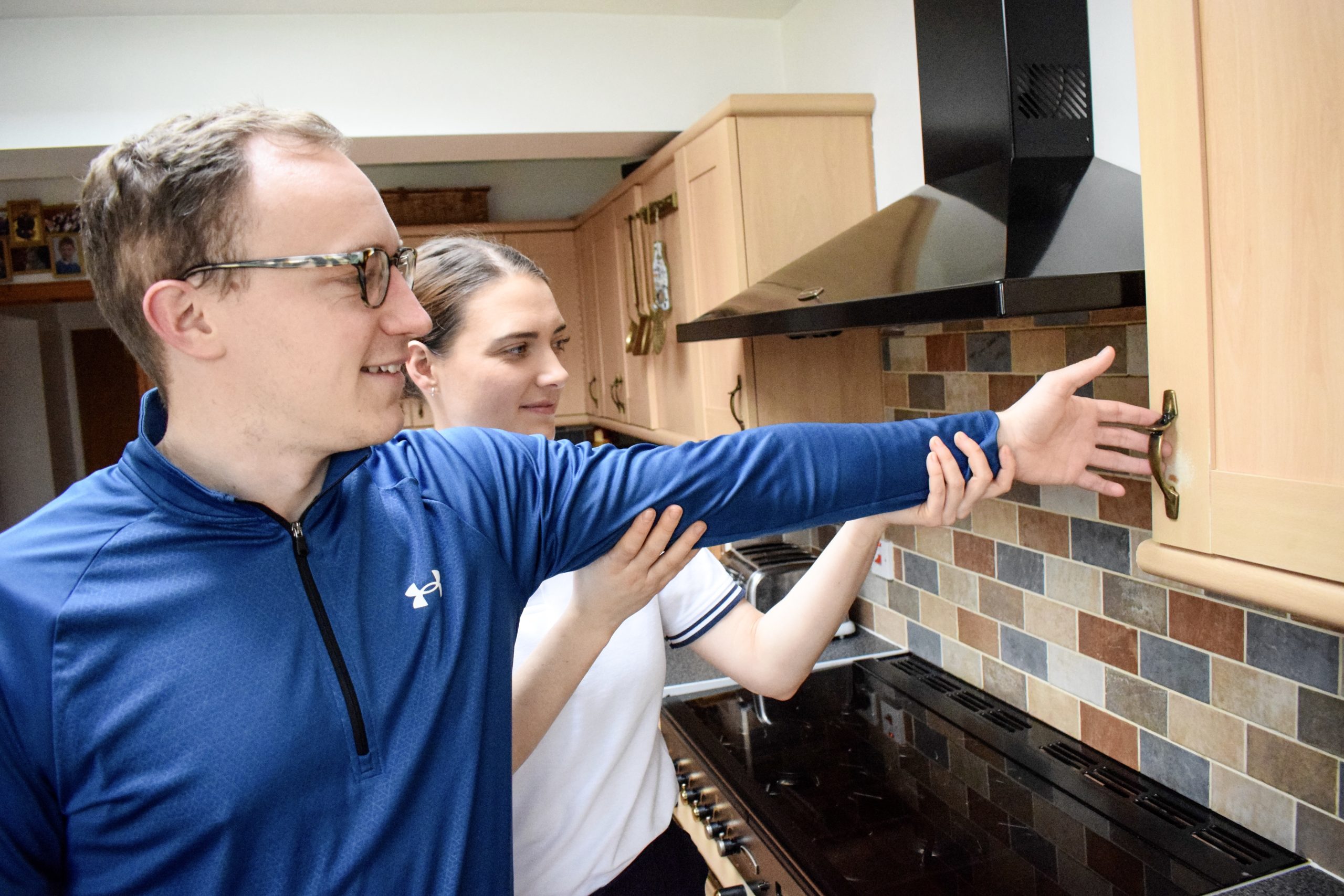
Falls are a major concern for people living with multiple sclerosis. Studies report that between 50% and 63% of people with MS fall at least once in a three-month period, with around half of those falling repeatedly. The consequences go beyond physical injury — fear of falling is strongly associated with activity restriction, social withdrawal, and reduced quality of life.
Why Are Falls So Common in MS?
MS causes falls through multiple interacting mechanisms including muscle weakness, spasticity, impaired proprioception, cerebellar ataxia, visual disturbance, cognitive impairment, and fatigue. The multifactorial nature of fall risk in MS means effective prevention requires a comprehensive, individualised assessment.
Physiotherapy Interventions for Balance and Falls
Balance training is the most extensively studied physiotherapy intervention for fall prevention in MS. Consistent evidence supports physiotherapy-based balance interventions for improving balance performance and reducing fall risk. Task-specific balance training — practising the actual balance challenges encountered in daily life — is more effective than isolated balance exercises. Progressive challenges, dual-task training, and perturbation training are all supported by the evidence.
References
Gunn, H. et al. (2013). Systematic review: the effectiveness of interventions to reduce falls and improve balance in adults with multiple sclerosis. Archives of Physical Medicine and Rehabilitation, 94(2), 385–394. https://doi.org/10.1016/j.apmr.2012.08.022
Cattaneo, D. et al. (2007). Effects of balance exercises on people with multiple sclerosis: a pilot study. Clinical Rehabilitation, 21(9), 771–781. https://doi.org/10.1177/0269215507077602
Nilsagård, Y. et al. (2009). Predicting accidental falls in people with multiple sclerosis. Clinical Rehabilitation, 23(3), 259–269. https://doi.org/10.1177/0269215508095087
Matsuda, P.N. et al. (2012). The fear of falling, and its associations with activity limitations and depression, in multiple sclerosis. Multiple Sclerosis Journal, 18(4), 527–532. https://doi.org/10.1177/1352458511421828