Fatigue is the single most common and often most disabling symptom of multiple sclerosis, affecting up to 80% of people with the condition. Unlike everyday tiredness, MS fatigue is a neurological phenomenon that is disproportionate to activity levels, does not resolve with rest in the same way, and can be profoundly debilitating.
Primary and Secondary Fatigue
Primary fatigue arises directly from the disease process — demyelination increases the energy cost of nerve conduction, and the brain must work significantly harder to generate normal movement and cognitive function. Secondary fatigue results from factors such as sleep disturbance, pain, depression, and deconditioning. Physiotherapy primarily addresses secondary fatigue, though exercise has also been shown to have a positive effect on primary fatigue through its impact on central nervous system function.
The Evidence for Exercise in MS Fatigue
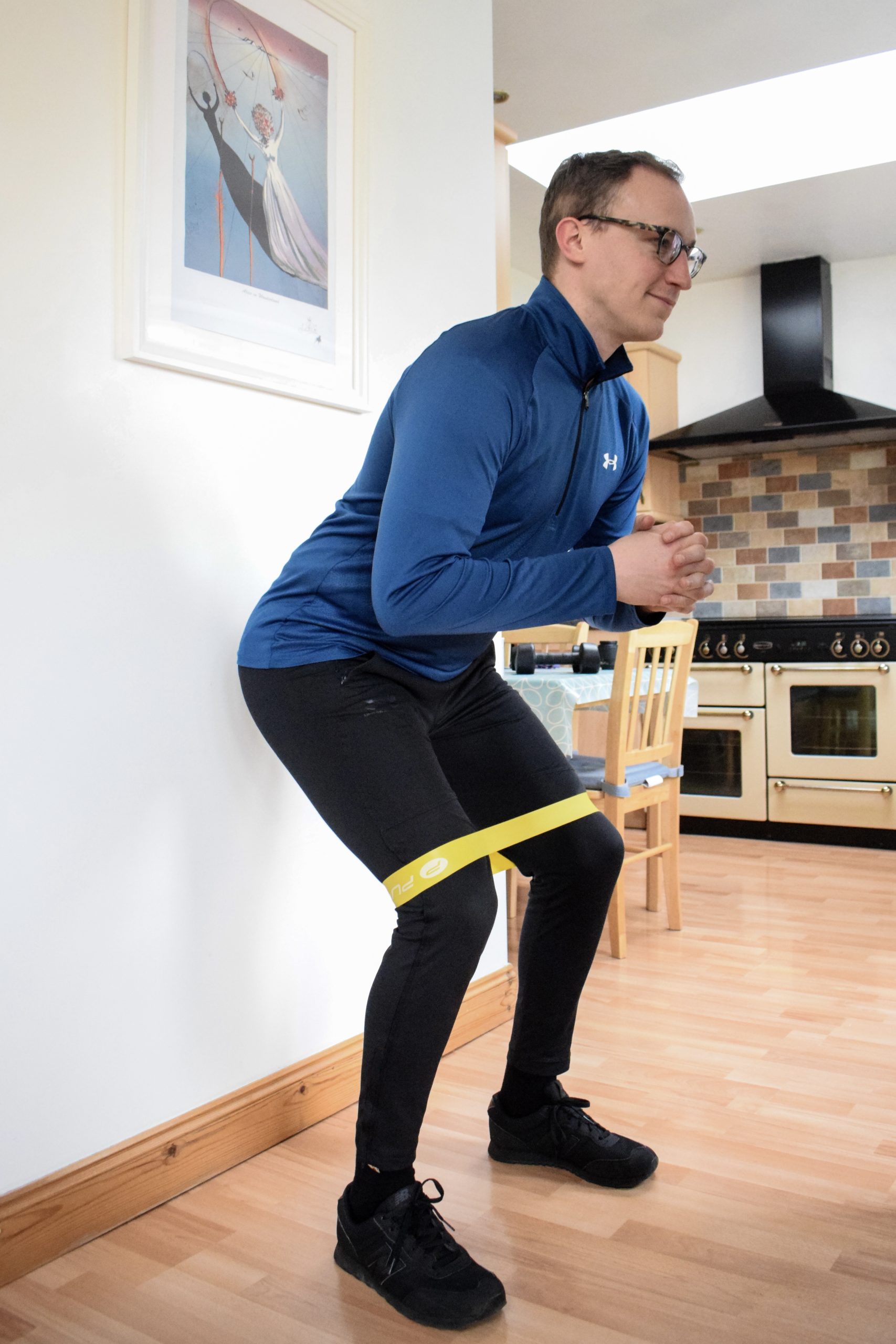
A systematic review and meta-analysis examining the effects of exercise training on fatigue in MS across 17 randomised controlled trials found significant reductions in fatigue with exercise training. Aerobic exercise, resistance training, and combined programmes all demonstrated benefit. Exercise improves cardiovascular efficiency, reduces depression and anxiety, and may promote neuroplasticity through increased production of neurotrophic factors.
Energy Conservation and Pacing
Alongside exercise, energy conservation techniques are an important component of fatigue management. Pacing — planning activities to avoid the energy “boom and bust” cycle — has good evidence for improving fatigue impact and quality of life.
References
Pilutti, L.A. et al. (2013). Effects of exercise training on fatigue in multiple sclerosis. Psychosomatic Medicine, 75(6), 575–580. https://doi.org/10.1097/PSY.0b013e31829b4ed4
Blikman, L.J. et al. (2013). Effectiveness of energy conservation treatment in reducing fatigue in multiple sclerosis. Archives of Physical Medicine and Rehabilitation, 94(7), 1360–1376. https://doi.org/10.1016/j.apmr.2013.01.025
Krupp, L.B. et al. (1988). Fatigue in multiple sclerosis. Archives of Neurology, 45(4), 435–437. https://doi.org/10.1001/archneur.1988.00520280085020
White, L.J. & Dressendorfer, R.H. (2004). Exercise and multiple sclerosis. Sports Medicine, 34(15), 1077–1100. https://doi.org/10.2165/00007256-200434150-00005